
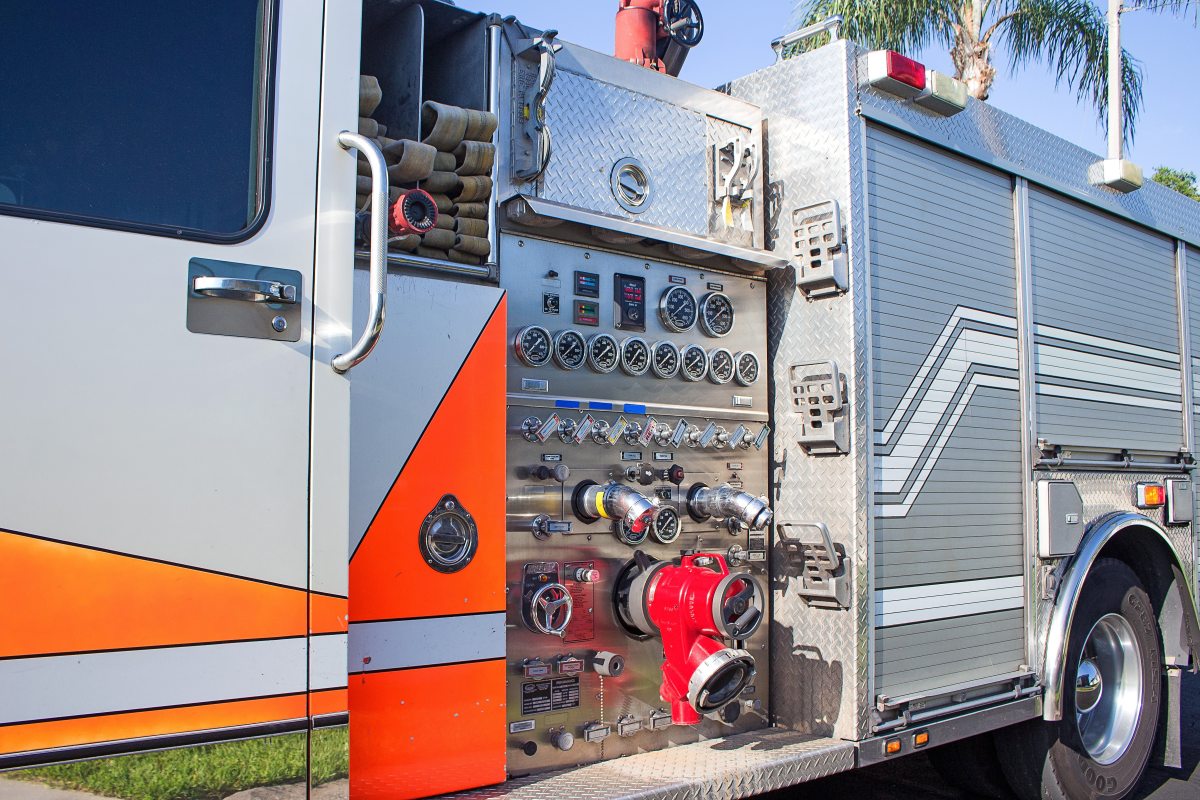
The responders may be paid professionals or volunteers. They are the people who crash participants need to summon in the quickest, most reliable way possible. The purpose of this project is to inform the responders of crash events directly, without delay, without error in fact.
Today, we have methods to notify responders of crashes. These methods rely upon people to relay the message. The 911 system and General Motors’ OnStar are familiar and admirable methods. They also share a common point of failure, the people.
A crash is a stressful, often disorienting event. Participants may not be able to accurately describe their locations and the crash environment. Bystanders may not be available or reliable. There may be language barriers. In short, people are generally great, generally well-intentioned and generally reliable. However, people can misunderstand each other. Even when people understand each other perfectly, it takes time to relay the information from bystander or participant to responder. Let’s improve upon that. This project will shrink that time to seconds.
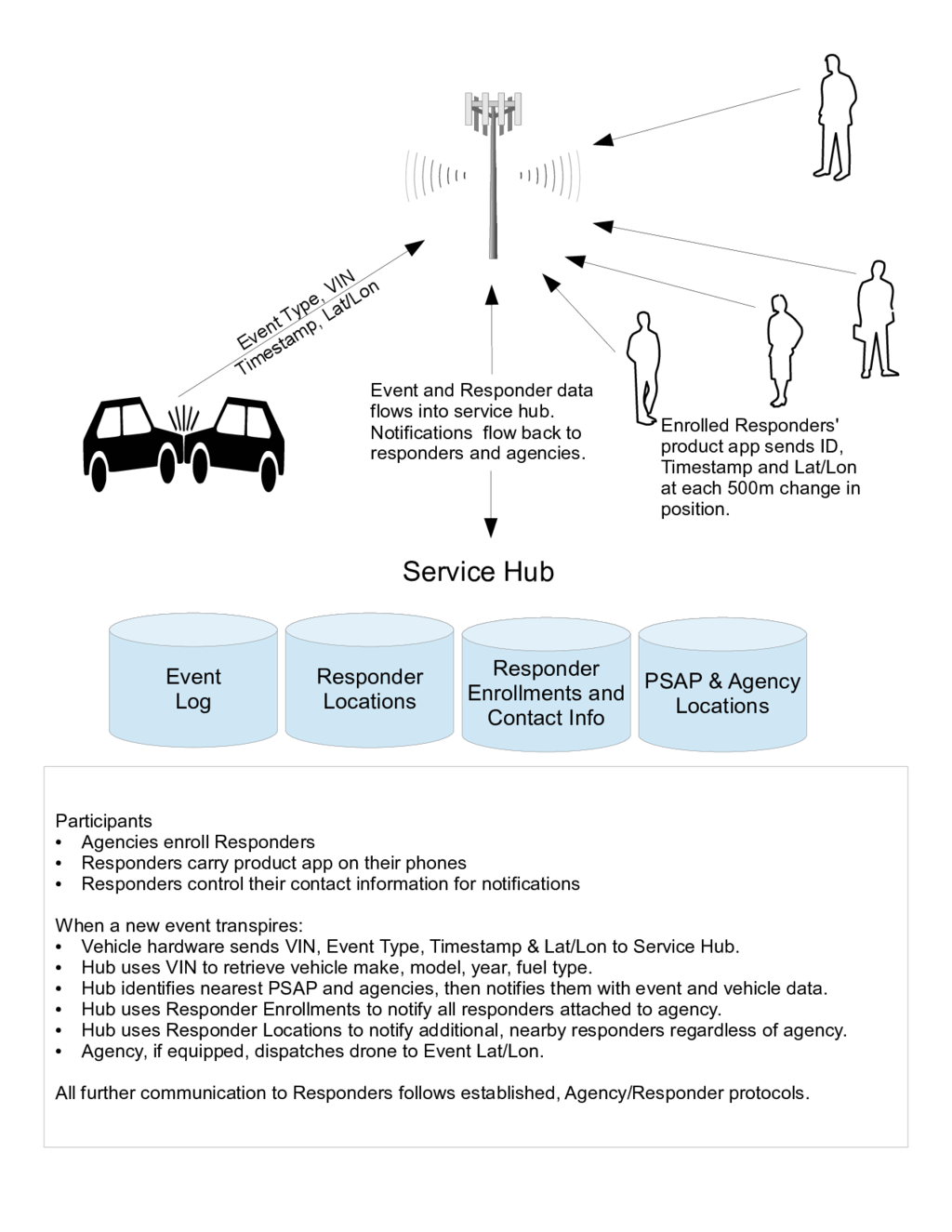
A notification from this project’s service hub will be delivered to the responders who are closest to the event. It will contain strictly the facts that are available from the vehicle’s telematics:
- The exact time. (Always just moments ago.)
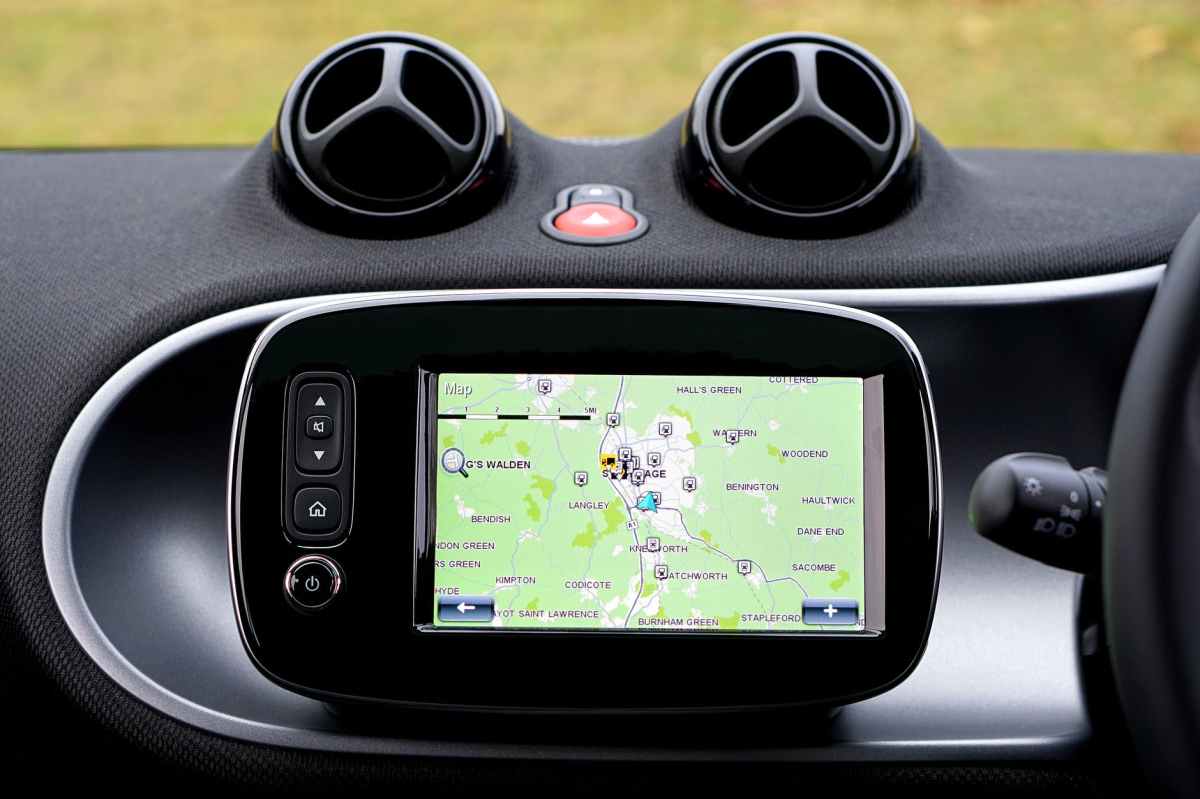
- The location, available as data and easy to render upon a map.
- The character of the crash that is available from the vehicle’s sensors such as, “Airbag Deployment.”
- The nature of the vehicle which is automatically, immediately, available from the Vehicle’s Identification Number (VIN): Make, Model, Year, Fuel Type.

 The Incident to Response Design Project